
619.541.6609
We are available 24/7
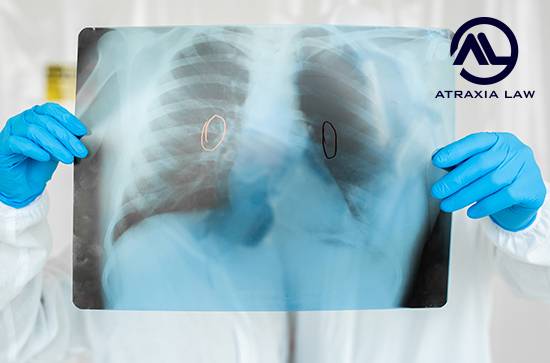
Silicosis is among the most serious occupational lung diseases out there, caused by breathing in crystalline silica dust. Those tiny particles get released when materials like concrete, stone, or sand are cut, drilled, or ground down.
Millions of workers are exposed every year, and once silicosis develops, it cannot be reversed or cured. Everything begins with a chain reaction in the lungs, the moment those particles are breathed in.
Crystalline silica is a natural mineral found in sand and soil, concrete and brick, granite and quartz, and engineered stone. When these materials are disturbed during construction or fabrication, they release fine airborne particles small enough to be inhaled deep into the lungs. These particles are called respirable crystalline silica because they can bypass the body's normal defenses.
Silicosis begins when a person inhales microscopic silica particles suspended in the air. Because these particles are extremely small, they are not always visible, can travel deep into the lungs, and are not easily expelled by coughing. Once inhaled, they reach the alveoli, the tiny air sacs responsible for oxygen exchange.
When silica enters the lungs, the body recognizes it as something that does not belong and sends immune cells to remove it. But silica is toxic to those cells. They get damaged or die trying to clear the particles, which releases inflammatory chemicals and locks the immune system into a chronic response that keeps going without resolution. That is where the damage to the lungs begins.
Ongoing inflammation triggers the development of scar tissue in the lungs, a process called fibrosis. The formation of scar tissue in the lungs causes the lung tissue to thicken, which reduces its flexibility and makes it harder for the lungs to move oxygen. As a result, the lungs become stiff, their ability to expand decreases, and their ability to support normal breathing is progressively impaired.
Once silicosis develops, it does not stand still, even if exposure has ended. Scar tissue continues to accumulate, lung capacity goes down, oxygen levels in the blood fall, and symptoms grow more severe. The most common include shortness of breath, a persistent cough, fatigue, and chest pain. In the most serious cases, patients may reach respiratory failure or require oxygen therapy to get by.
The speed and severity of the disease depend on the intensity and duration of exposure:
Silicosis keeps causing harm even after a person walks away from the job that exposed them. Silica particles stay trapped inside lung tissue, the immune system keeps reacting to them, and inflammation and scarring persist long after the source of exposure is gone. Symptoms may not show up until years after the original exposure, and the disease can progress even in people who are no longer in high-risk settings.
Silicosis can progress into a more severe condition known as progressive massive fibrosis. PMF develops when fibrotic nodules grow together and form large, stiff masses of scar tissue inside the lungs. The damage is extensive enough to significantly limit lung function, making even simple activities difficult without triggering shortness of breath.
PMF causes more than reduced lung capacity. The structural changes it creates in the lungs are often irreversible, and many patients require oxygen therapy or breathing support to manage their symptoms. It is a stage associated with a significantly worse outlook and a much higher risk of severe shortness of breath even at rest, extreme fatigue, difficulty with daily activities, and dependence on supplemental oxygen or ventilatory support.
Silica exposure goes beyond causing silicosis and raises the risk of several other serious conditions. Workers regularly exposed to silica dust face higher rates of lung cancer, chronic obstructive pulmonary disease, tuberculosis, kidney disease, and autoimmune disorders. Silica can also weaken the immune system, leaving the lungs more vulnerable to infection.
Industries that regularly disturb silica-containing materials put workers at the greatest risk. About 2.3 million workers in the United States are exposed to silica dust, and construction makes up the bulk of that number. Occupations with the highest exposure include construction and demolition, mining and quarrying, stone countertop fabrication, and sandblasting and masonry.
If you worked in construction, mining, stone fabrication, or other industries involving silica dust and developed silicosis, progressive massive fibrosis, or severe restrictive lung disease, you may qualify for legal action. For over 35 years, Atraxia Law has evaluated occupational exposure and product liability claims for workers harmed by toxic materials.
We will review your work history and medical records to determine whether you may be eligible for compensation from manufacturers who failed to warn about silica hazards or employers who did not provide adequate protection. If you have a viable silicosis claim, we will connect you with attorneys who specialize in occupational lung disease cases.