
619.541.6609
We are available 24/7
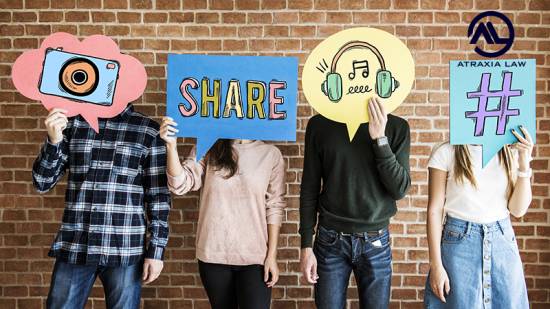
A 19-year-old California woman identified as K.G.M. testified that prolonged exposure to platforms like Instagram, TikTok, Snapchat, and YouTube since childhood caused her to develop addiction, depression, anxiety, and severe body image issues.
Her lawsuit has become the first bellwether trial in a massive coordinated litigation effort targeting the engineered features that make these platforms psychologically addictive. Just before trial, Snapchat and TikTok settled their portions of the case, removing themselves from jury proceedings.
Meta and YouTube are still named in the suit, with platform executives set to take the stand as the trial moves forward. The litigation is part of a sprawling multi-district case, MDL 3047, that bundles together thousands of similar lawsuits. The core argument is that things like algorithmic feeds, autoplay, and infinite scroll weren't accidents. They were deliberate hooks, deployed even as evidence mounted that they were hurting people.
Meta is dealing with a growing pile of legal claims accusing the company of engineering Facebook and Instagram for addiction, with teens and young adults at the center of it. The lawsuits hone in on specific design decisions that plaintiffs say were made to encourage compulsive use:
The Massachusetts Attorney General sued Meta, arguing the company engineered Facebook and Instagram to be addictive to minors with full knowledge of the harm it was causing. According to the complaint, Meta was well aware of the mental health risks internally but chose not to act on that knowledge or alert the people most affected.
Multi-state actions have been filed alleging violations of children's online safety laws and consumer protections across multiple jurisdictions. New York City is among the local governments that have taken things further, suing the platforms directly and arguing their addictive designs have fueled a youth mental health crisis bad enough to constitute a public nuisance.
Meta's own researchers documented the damage Instagram was doing to teenage girls, including worsening body image, disordered eating, and suicidal thoughts. Those findings came to light through litigation, and they raise an uncomfortable question: why did the company keep amplifying the features it knew were causing harm?
Snap Inc. faces claims that Snapchat was engineered with features specifically designed to encourage compulsive use among teenagers. Lawsuits cite techniques like Snapstreaks, which create anxiety about maintaining daily interaction chains, and algorithmic content delivery that keeps users scrolling far longer than intended.
The company's decision to settle its portion of the K.G.M. bellwether case before jury selection indicates concern about what internal documents and testimony might reveal in open court. Whatever the terms, the timing suggests the company had good reason not to want internal documents and executive testimony aired in open court, particularly anything touching on how its design choices have affected adolescent mental health.
Plaintiffs argue that Snapchat's disappearing message feature and emphasis on constant communication create a fear of missing out that drives compulsive checking behaviors. The platform's algorithmic feed and reward-driven design allegedly make it worse by zeroing in on developmental weak spots in teenage brain chemistry.
TikTok has come under especially heavy scrutiny for its recommendation algorithm, which tracks user behavior and serves up an ever-more-personalized feed built to keep people watching as long as possible. Lawsuits claim the combination of short videos, autoplay, and algorithmic curation adds up to something uniquely hard to put down.
TikTok settled with plaintiff K.G.M. shortly before trial, avoiding public testimony about internal design decisions and research into the platform's effects on young users. Much like Snap, ByteDance seemed to decide that a quiet settlement was a better bet than the unpredictable exposure of an open courtroom.
The European Commission has taken aim at TikTok, warning that features like infinite scroll and push notifications could run afoul of digital safety regulations, particularly those designed to protect minors. It's part of a growing international conversation about whether the platform's design priorities are in the right place.
State attorneys general have filed complaints claiming TikTok's algorithmic mechanisms are designed to keep young users engaged through psychological manipulation. On top of that, the platform's algorithmic recommendations and reward-based mechanics are allegedly built in ways that exploit how teenage brains develop.
Current litigation frames addiction harms as product design defects rather than issues of user-generated content. They're arguing that the design of the platforms themselves is defective, and that engagement-driven algorithms and reward systems were built to manipulate human neurology in ways that hit hardest in adolescents whose brains are still maturing.
The companies knew, or should have known, that these features could cause harm. That's the core allegation, and it comes with a follow-up: that they failed to warn users or put meaningful protections in place. By keeping the focus on product engineering and safety obligations, plaintiffs are trying to work around Section 230, the legal shield that normally protects platforms from being held liable for what users post.
The cases draw parallels to litigation against the tobacco and opioid industries, where design and marketing decisions became central to liability findings and drove regulatory reforms. Courts and governments increasingly recognize that platforms contribute to measurable harms, including depression, anxiety, eating disorders, self-harm, suicidal ideation, and academic decline by creating digital environments that young brains struggle to disengage from.
If you or your child developed mental health problems, including depression, anxiety, eating disorders, or self-harm behaviors linked to social media platforms, you may have legal options. For over 35 years, Atraxia Law has assessed personal injury claims and connected families with premier litigation attorneys who handle complex cases against major technology companies.
If you believe you may have a claim in the Social Media Adolescent Addiction MDL, we're here to help you find out. We'll review your situation and medical records carefully, and if the grounds are there, we'll connect you with attorneys who specialize in holding platforms accountable for putting engagement ahead of safety. Contact Atraxia Law today for a free case evaluation.