
619.541.6609
We are available 24/7
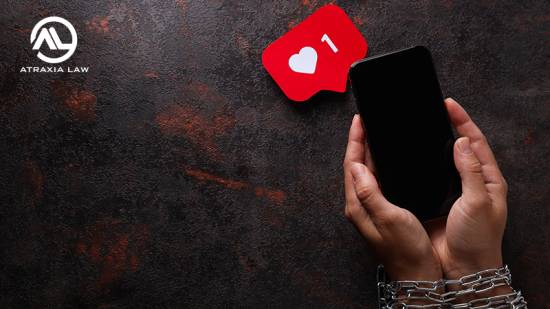
Social media companies would have you believe their platforms are simply neutral tools for human connection. But internal documents and evidence that's surfaced through litigation paint a very different picture, one of platforms deliberately engineered using behavioral psychology to capture attention and keep people coming back in ways that serve advertising revenue above all else.
Billions of people are on social media, and young people are among the most engaged daily users. What most families don't stop to consider is that the features making these platforms so hard to put down, things like infinite scroll, push notifications, and algorithmic recommendations, were deliberately designed to exploit psychological vulnerabilities rather than simply improve the user experience.
There's a reason modern social media apps feel so difficult to put down, and it has a lot to do with the same addiction psychology that drives behavior in casinos and at slot machines:
The connection between heavy social media use and serious psychological and developmental problems is one of the more consistent findings in recent research, and the concern is sharpest for adolescents still in the middle of a critical period of brain development.
Clinical evidence points to a real association between problematic social media use and higher rates of depression, anxiety, and chronic stress. Perhaps most concerning is that the compulsive behavioral patterns built into these platforms by design appear to directly drive those mental health outcomes rather than simply accompany them.
Academic populations show particularly concerning patterns:
Teens with unmet psychological needs and little supervision in place are in a much more vulnerable position when it comes to problematic social media use, and the effects on their development, relationships, and mental health can be far-reaching.
Recent litigation has made it hard for major social media companies to claim they were in the dark about the harm their products caused. Internal documents show Meta conducted research that clearly demonstrated Instagram's negative effects on teenage mental health, including troubling findings about body image harm and increased suicidal thoughts among vulnerable users, and continued promoting the features responsible for amplifying those problems regardless.
Leaked communications and whistleblower testimony consistently point to the same conclusion. Persuasive technology features were deliberately engineered to exploit psychological vulnerabilities, and the decisions behind them were made with full knowledge of the compulsive use they would generate.
These companies had chances to put safeguards in place and consistently chose to delay or downplay them when user protection threatened to come at the cost of engagement metrics and advertising revenue. That's the logical outcome of a business model that depends on keeping users as hooked and emotionally invested as possible.
Governments are increasingly unwilling to treat foreseeable platform-driven harm as an unavoidable side effect. The European Commission's accusations that TikTok violated digital safety laws by failing to address harm from addictive features like infinite scroll and autoplay for children and teens reflect a broader shift in thinking, one that places platform architecture, not just user behavior, at the center of the addiction problem.
The Social Media Adolescent Addiction MDL in the United States has pulled together hundreds of lawsuits arguing these platforms were engineered with foreseeable harm to young users baked into the design. Courts have been moving away from accepting blanket immunity defenses, finding that claims rooted in platform engineering decisions rather than content moderation can and should go forward.
Across the United States, multiple states have taken legal action against social media companies over deceptive trade practices, targeting misleading safety claims and the failure to tell parents and users about mental health risks these companies already knew about.
If you or your child developed mental health problems, including depression, anxiety, eating disorders, or self-harm behaviors linked to social media use, you may have legal options. For over 35 years, Atraxia Law has assessed personal injury and product liability claims and connected families with premier litigation attorneys who handle complex cases against major corporations.
We will carefully evaluate your situation and medical records to determine whether you qualify to pursue a claim for the psychological harm caused by platform design. If we establish you have a viable claim, we will refer you to specialized attorneys experienced in the Social Media Adolescent Addiction MDL. Contact Atraxia Law today for a free case evaluation.