
619.541.6609
We are available 24/7
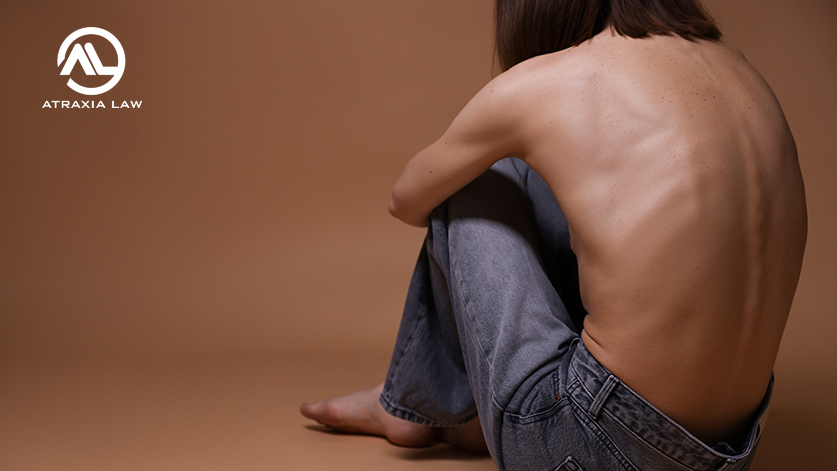
Numerous experimental studies have associated exposure to the thin body ideal promoted on various social media platforms with body dissatisfaction, internalization of the unhealthy thin body shape, and disordered eating among teens.
Pressure from social media to adhere to thin and often skinny body ideals appears to be associated with body dissatisfaction and increases the risk of severe eating disorders, including anorexia, among young individuals.
Anorexia is a serious eating disorder characterized by:
Compulsive and frequent social media use can significantly increase the risk of disordered eating behaviors. While some eating disorders have a genetic component, most can be driven by problematic social networking, specifically image-based social media platforms use, which is a perfect trigger for body image dissatisfaction and distortion.
According to statistics, social media is monopolizing more and more of the attention of teens: 81% of teens use social media, and 70% use it more than once a day. According to a 2023 Gallup poll, the average US adolescent spends approximately 5 hours per day on social media platforms.
As some of the most powerful social media companies in the world work to monetize the youth’s attention, more and more adolescents are struggling with the consequences of social media addiction.
A US study on high school students found that those who reported using social media for more than 2 hours per day were more likely to experience body image issues than those who spent less time on social media.
Social media provides adolescents with highly influential content about the ideal beauty norm and body shape, and the following factors contribute to the development of anorexia and other eating disorders:
Since 2022, young adults started to sue social media giants, alleging that the design of their products contributed to their anorexia and other eating disorders. Plaintiffs are suing social media companies on product liability and negligence grounds, alleging that design features draw teens to the platforms while the recommendation algorithms keep them hooked there.
If your teenager has been diagnosed with anorexia nervosa due to the addictive design features of social media apps and platforms, we encourage you to file a social media addiction claim and seek rightful compensation.
Contact us today for a free, no-obligation consultation - filing deadlines are critical to secure your eligibility. Given the specificities of each young individual’s struggle with social media addiction, we carefully evaluate each claim to determine each client's eligibility.
10 Minutes Over the Phone
*No fees unless compensation is obtained