
619.541.6609
We are available 24/7
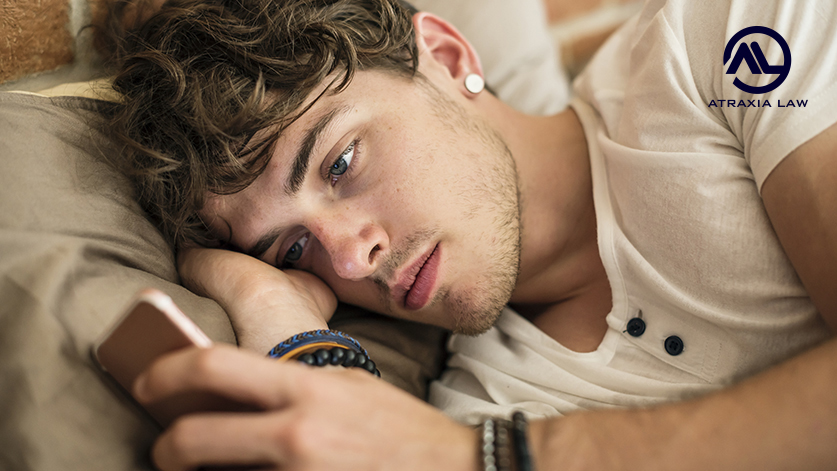
While social media offers access to information, entertainment, opportunities for community building, validation through shared experiences, and social support, studies link excessive and passive use of social networking (scrolling without interacting) to increased anxiety, depression, and other mental health problems. While the association is not always directly causal in all individuals, it represents a growing public health concern, prompting some researchers to consider social media use as a serious health threat.
A growing number of studies have reported that compulsive social media use can be associated with anxiety, although due to the existence of multiple anxiety types, research findings on the extent of this link greatly vary.
It is a self-perpetuating vicious cycle - individuals with anxiety are more prone to developing heavy social media use as a coping mechanism; conversely, excessive use of social media can worsen anxiety symptoms and lead to the development of generalized anxiety disorder (GAD).
The key triggers include fear of missing out (FOMO) and unhealthy social comparison, which often lead to low self-esteem, self-doubt, and heightened anxiety levels.
Studies show that several factors, such as gender, region, and time of measurement, can significantly influence the association between social networking addiction and anxiety.
The correlation between problematic social media use and anxiety is particularly significant for teenagers and young adults, with some studies suggesting that more than three hours per day on social media platforms doubles the risk of experiencing mental health problems.
Some of the key triggers of anxiety in teens and young adults with compulsive social media networking are:
As studies show, problematic social media use distracts teens, reduces cognitive function, hinders effective information processing, and contributes to higher anxiety levels.
Individuals with compulsive social media use tend to focus more on distressing news and information, which will also trigger anxiety and, over time, lead to the development of generalized anxiety disorder.
Social media platforms and apps are created with various reward systems - notifications, comments, likes - which can lead to addictive social media behavior. The pervasive influence of social media is expected to take a negative toll on young generations' mental health and well-being, which calls for more focus on social media addiction and its alarming consequences.
If your child or teenager has been diagnosed with generalized anxiety disorder due to the addictive design features of social media apps and platforms, we strongly encourage you to file a claim and seek rightful compensation. Contact us today for a free consultation - filing deadlines are critical to secure your eligibility.
Given the specificities of each person’s struggle with social media dependency, we thoroughly evaluate each claim to determine each client's eligibility. Reach out to us so we can assess the merits of your claim and connect you with an experienced litigation attorney ready to represent you in a major MDL against Big Tech.
10 Minutes Over the Phone
*No fees unless compensation is obtained