619.541.6609
We are available 24/7
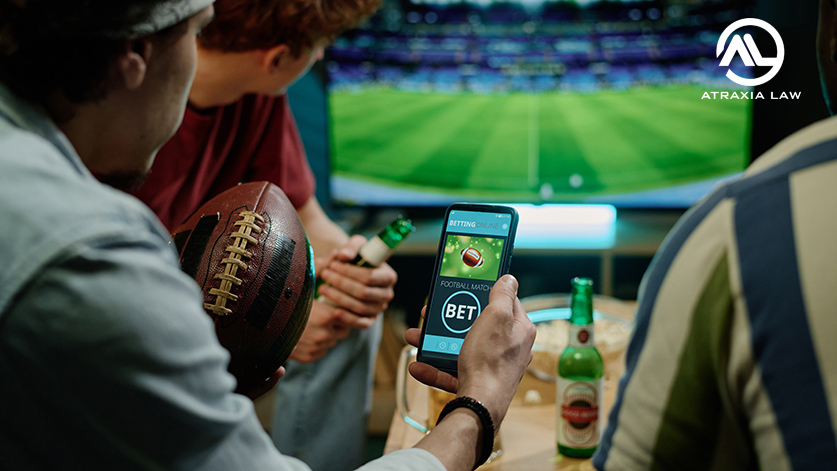
If you or a family member developed a gambling addiction, suffered serious financial losses, or experienced mental health crises because of sports betting apps like FanDuel, DraftKings, BetMGM, or Caesars, you may be eligible to file a legal claim. Atraxia Law checks the eligibility of people harmed by predatory platform design, deceptive promotions, and failure to prevent compulsive gambling.
Studies show online gamblers are far more likely to develop problem gambling compared to people who don't bet online. A 2024 survey revealed that a majority of online sports bettors chased losses, a large portion gambled beyond what they intended, and many lost money that affected their ability to meet basic financial obligations. Since sports betting was legalized in 2018, the number of people searching for gambling addiction help has grown substantially.
You may qualify to file a legal claim against sports betting platforms if you meet the following criteria:
Don't rule yourself out because your losses don't hit a certain figure. Atraxia Law looks at every case on its own terms, and serious harm like hospitalization, a suicide attempt, or documented addiction treatment can qualify you for legal action even if the financial losses alone don't tell the whole story.
Sports betting apps are engineered to maximize how long users spend gambling and how often they come back. The way these platforms are built creates compulsive habits that pull users into cycles of growing losses and addiction.
Gambling addiction has a way of hiding in plain sight. Most people don't recognize how serious things have gotten until something forces the issue, a financial collapse, a relationship falling apart. Australian research backs this up, finding that nearly three-quarters of regular online sports bettors had experienced real harm, while most still didn't think they had a problem.
These are some of the behaviors worth paying attention to:
Checking off several of these behaviors doesn't make you weak or reckless. It may mean you were targeted by platforms that were specifically built to create and sustain compulsive gambling.
Cities are starting to sue. Baltimore filed against FanDuel and DraftKings in April 2025, claiming the platforms used deceptive promotions and data analytics to keep vulnerable residents locked in compulsive betting patterns. The case landed in state court and is pushing for civil penalties and injunctive relief.
Amit Patel, who worked as a financial manager for the Jacksonville Jaguars, sued FanDuel in 2024, claiming the platform kept calling and messaging him with offers even as his betting had clearly spiraled out of control. He says the VIP treatment and daily promotions made things worse, not better. He's seeking $250 million in damages.
A federal class action filed in Pennsylvania in 2025 accuses DraftKings of running misleading deposit match promotions and making it too easy for users to undo their own self-exclusion requests. The named plaintiffs say they each lost more than $50,000 after the real conditions behind the bonus offers were never made clear.
The Public Health Advocacy Institute filed suit in Pennsylvania against Caesars Online Casino over a $2,500 deposit match promotion requiring customers to wager $375,000 within seven days to access matched funds. The lawsuit argues the offer was designed to look generous while making it nearly impossible to come out ahead.
Successful claims can seek compensation for:
Families who lost a loved one to suicide as a result of gambling addiction may also have grounds for a wrongful death claim covering funeral costs, loss of companionship, and the broader impact of that loss.
If a betting platform's predatory design or misleading promotions played a role in your addiction, you may be entitled to compensation. Atraxia Law has spent over 35 years helping people in exactly this position figure out their options. Reach out to us and let us do the work of assessing your situation while you focus on moving forward.
Once we've assessed your situation and confirmed you have a sports betting addiction claim, we'll quickly connect you with an attorney who handles these cases. They'll pursue compensation for everything you've lost, including financial losses, treatment costs, and emotional suffering.
10 Minutes Over the Phone
*No fees unless compensation is obtained